
Refuelling Anxiety: How to overcome your fear of filling up at a petrol station
For many new drivers, passing their driving test is a huge achievement. But then comes something nobody really talks about: the first time you have to fill up your car at a petrol station on your own.
It might sound like a simple task, but for someone who experiences driving anxiety, visiting a petrol station can be surprisingly stressful.
What if I pull up on the wrong side? What if I choose the wrong fuel? What if I can't work out how to open the filler cap? And, perhaps the biggest worry of all, what if people are watching me?
These are common concerns, and you're certainly not alone in feeling this way. A 2025 survey commissioned by online car retailer Cazoo found that 39% of UK drivers experience anxiety when refuelling. Among 18–24-year-olds, that figure rises to 62%. The findings highlight how common these worries can be, particularly among younger and less experienced drivers. Read more about the survey in The Independent.

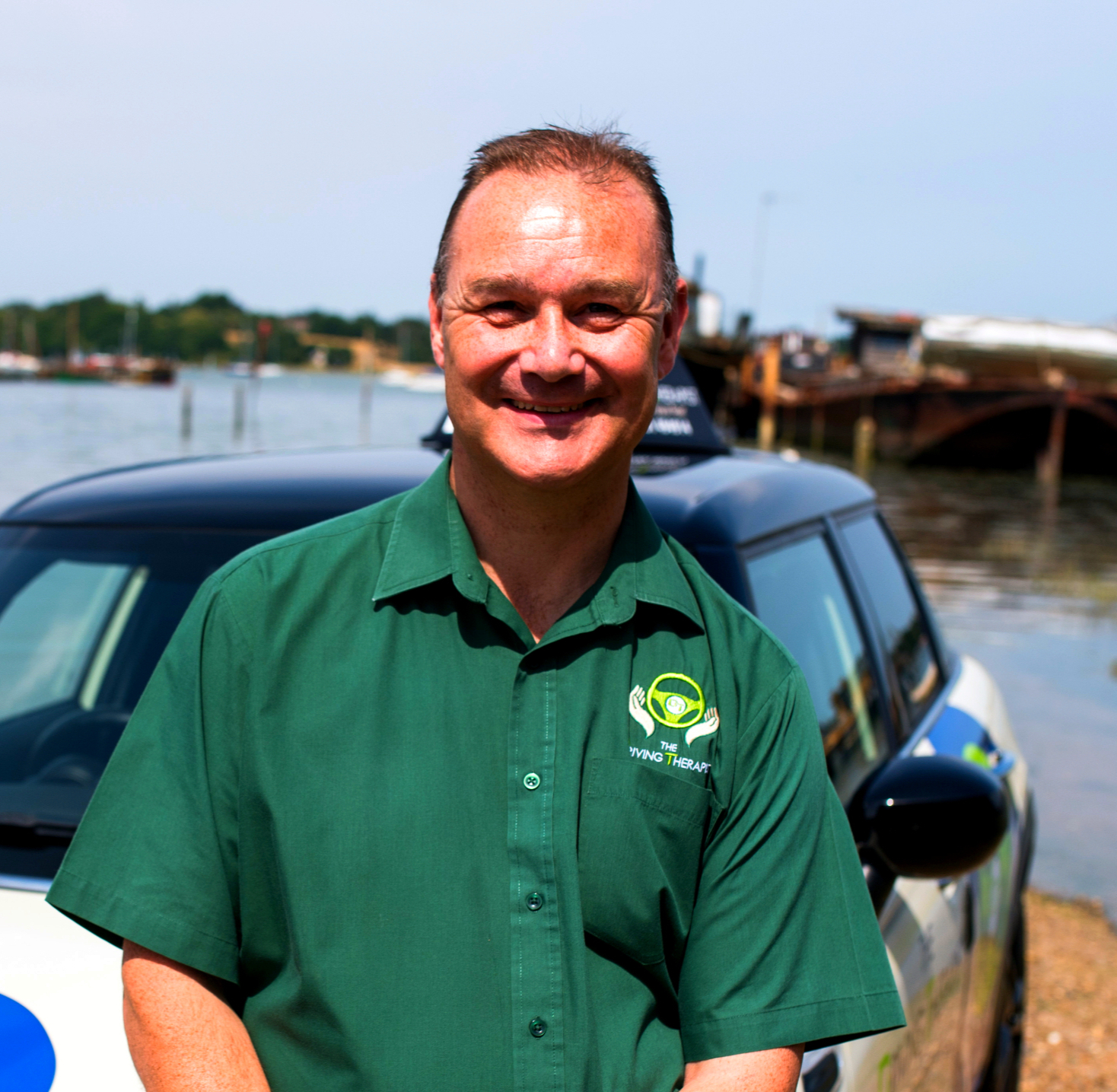
As an Approved Driving Instructor (ADI) with over 22 years' experience, I've helped many anxious drivers build their confidence. Refuelling is one of those everyday skills that can easily be overlooked during driving lessons, yet it's something every driver needs to know how to do. I also understand that driving anxiety isn't always about being behind the wheel. Sometimes, it's the situations and unexpected tasks that come with driving that feel just as daunting.
So, let's break the process down into manageable steps.
Why can filling up feel so daunting?
One of the biggest concerns I hear from nervous drivers is the fear of getting something wrong in front of other people. You might feel that everyone else knows exactly what they're doing, while you're the only person who isn't sure. Perhaps you're worried about holding up a queue, choosing the wrong pump or making a mistake that other people might notice.
I remember feeling much the same when I was a less experienced driver. I used to wonder whether people were judging me for taking too long or getting something wrong. Over time, I realised that most people are far too busy concentrating on their own journey to pay much attention to what anyone else is doing. And even if somebody does notice you taking a little longer, chances are they've been in exactly the same position themselves.
When you experience driving anxiety, the thought of an unfamiliar situation can sometimes feel much bigger than the task itself. Having a clear idea of what to expect can help make it feel more manageable.
Prepare before you visit a petrol station
Here's a quick checklist to get you started. You can save this checklist to your mobile phone and refer to it whenever you need a little reassurance before visiting a petrol station.

Let's look at each of these in a little more detail:
1. Find out which side your fuel filler cap is on
Take a look at your car and check whether the fuel filler cap is on the left or right-hand side. There's also a handy indicator on most dashboard fuel gauges. Look for the small arrow next to the fuel pump symbol. This usually points towards the side of the car where your filler cap is located.
2. Practise opening and closing the filler cap
Every car is slightly different. Some filler caps simply twist off, while others have a release button or lever inside the car. Check your vehicle handbook if you're unsure how yours works. Once you've figured it out, practise opening and closing it a few times while parked safely at home.
3. Know which fuel your car needs
This is particularly important. Your car will generally use either petrol or diesel, and putting the wrong fuel in can cause problems.
You can usually find the correct fuel type inside the fuel filler flap, in your vehicle handbook or by checking your vehicle registration with a reliable fuel-type checker. You might also see different grades of unleaded petrol, such as regular and premium or super unleaded. Not every car needs premium fuel, so check your handbook or the manufacturer's recommendations before paying extra.
If you're unsure, don't guess. Double-check before you fill up.
4. Decide how you want to pay
Most petrol stations offer two main payment options:
Pay at the pump: You use your debit or credit card, or sometimes your phone, directly at the pump. Follow the instructions on the screen. Be aware that some petrol stations may temporarily reserve up to £100 on your card as a pre-authorisation. This isn't the final payment: once you've finished filling up, the actual cost of your fuel is charged and the remaining amount is released. How quickly this happens can depend on your bank. If you'd rather avoid this, you can pay inside instead.
Pay inside the kiosk: Once you've finished filling up, make a note of your pump number and go inside to pay.
Make sure you have a suitable payment method with you before you start.
5. Ask someone to show you if you need help
There's absolutely nothing wrong with asking someone to accompany you on your first visit. A friend, family member or former driving instructor might be happy to show you how everything works.
In fact, I often wonder why more instructors don't include a visit to a petrol station as part of their lessons. I consider it an essential life skill and take my clients through the process, sometimes more than once, particularly if they struggle with confidence.
How to fill up your car: a step-by-step guide
Now that you've done your preparation, it's time to put it into practice.
For your first visit, I'd recommend choosing a quieter time of day if possible. Avoid busy rush-hour periods so you have a little more space and time to get comfortable with the process.
Step 1: Pull up alongside the correct pump
Drive slowly into the petrol station and look for an available pump.
Position your car so that the fuel filler cap is close enough for the hose to reach comfortably. The dashboard indicator we discussed earlier will help you work out which side to pull up on. Some pumps have particularly long hoses, so it's not always essential to park on the same side as your filler cap. However, approaching from the correct side will usually make things easier.
Once parked, switch off your engine and apply the handbrake.
Step 2: Check the payment instructions
Before you start, check the instructions on the pump.
If you're paying at the pump, you'll generally need to insert your card or use contactless payment and follow the instructions before dispensing fuel.
If you're paying inside, you'll usually need to remember your pump number and pay once you've finished.
If you're unsure, ask a member of staff. They're used to helping people and won't think anything of it.
Step 3: Open the fuel filler cap
Depending on your car, you might need to press a button or lever inside the vehicle before opening the flap. Other cars simply require you to push the flap or unlock it. Once open, remove the fuel cap by twisting it if necessary. Some caps are attached to the car by a small cord, so you can leave them hanging safely while you refuel.
Step 4: Select the correct fuel and start filling up
Double-check that you've selected the correct fuel type and grade for your car.
Pick up the corresponding nozzle, insert it fully into the filler opening and squeeze the trigger to start dispensing fuel. Depending on the pump, you may need to wait for an attendant to authorise it or follow additional instructions on the screen.
The display will show how much fuel you're putting into the car and how much it's costing.
You can release the trigger whenever you've added enough fuel. If you want to fill the tank, continue until the nozzle automatically clicks off. This is a safety feature designed to prevent overfilling. Don't try to force more fuel into an already full tank.
Step 5: Remove the nozzle and replace everything
Once you've finished, release the trigger and carefully remove the nozzle. Allow any remaining drops to drain back into the tank before returning it to the pump.
Replace the fuel cap securely and close the filler flap. If you happen to spill a little fuel, don't panic. Let the petrol station staff know immediately so they can deal with it safely.
Step 6: Pay and go!
If you've chosen to pay inside, remember your pump number and head to the kiosk. If you've paid at the pump, simply follow the on-screen instructions to complete the transaction.
That's it. You've successfully filled up your car!
What if something goes wrong?
When you experience driving anxiety, it's often the thought of something unexpected happening that makes a situation feel particularly difficult.
The good news is that most problems have a straightforward solution. Here are three situations you might be worried about.
What if I put the wrong fuel in my car?
If you realise you've put the wrong type of fuel into your car, do not start the engine or switch on the ignition. If the engine is already running, stop as soon as it is safe to do so.
Let the petrol station staff know and contact a specialist wrong-fuel recovery service or your breakdown provider for advice. There are companies that specialise in draining and correcting wrong-fuel incidents. Two useful places to start are:
The important thing is not to drive the car. Get professional advice and let the specialists deal with it.
And remember, putting the wrong fuel in your car is a mistake that can happen to drivers of all experience levels.
What if I spill some fuel?
Small spills can happen, particularly when you're not used to handling the nozzle.
Let the petrol station staff know immediately. They have procedures and equipment for dealing with fuel spills safely. There's no need to feel embarrassed; just let them know so they can take care of it.
What if I feel overwhelmed or people are waiting behind me?
Take a breath. You don't need to rush simply because someone else is waiting.
If you feel overwhelmed, release the trigger, return the nozzle to the pump if it's safe to do so, and take a moment to collect yourself. You can also ask a member of staff for assistance.
Remember, everyone has to learn at some point. Taking a little longer is perfectly acceptable, and successfully completing the task can give you a real confidence boost.
Yes, you can overcome your fear of filling up
If you're nervous about going to a petrol station, remember that you're not the only one. Something that seems completely ordinary to an experienced driver can feel like a huge challenge when you're dealing with driving anxiety.
Confidence comes from practice, not from getting everything right the first time. Take things at your own pace and give yourself credit for each step forward.
After more than 22 years of teaching people to drive, I've learned that sometimes it's the smallest everyday tasks that make the biggest difference to someone's confidence behind the wheel.
And if you'd like a little help building your confidence, don't be afraid to get in touch. Good luck, and happy driving!